fbpx

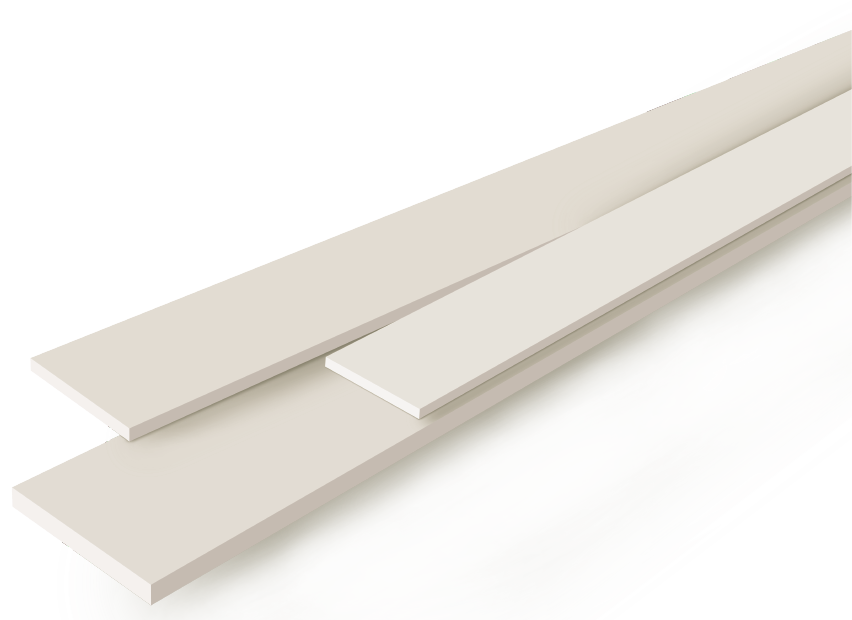
GARDFLEX

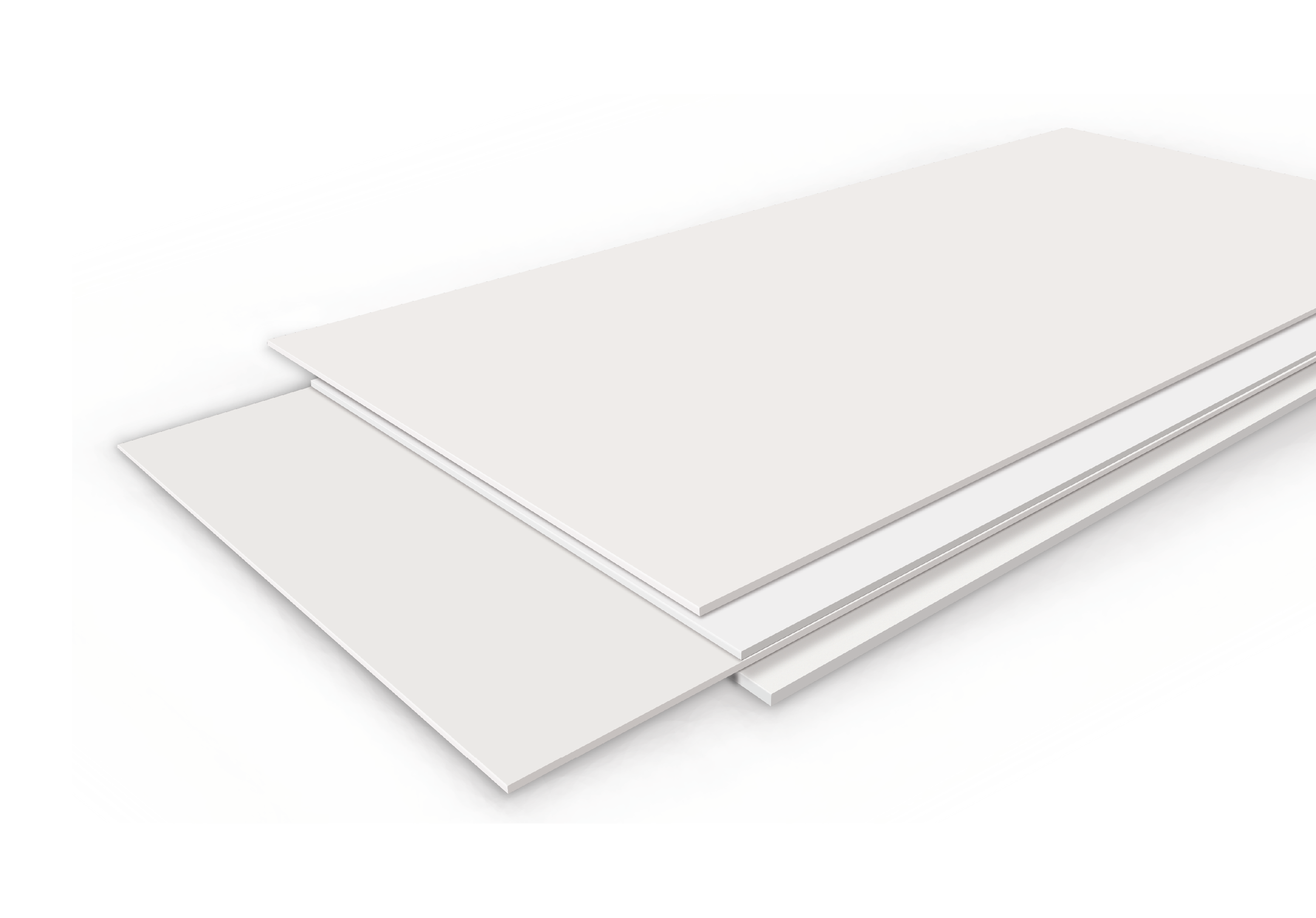
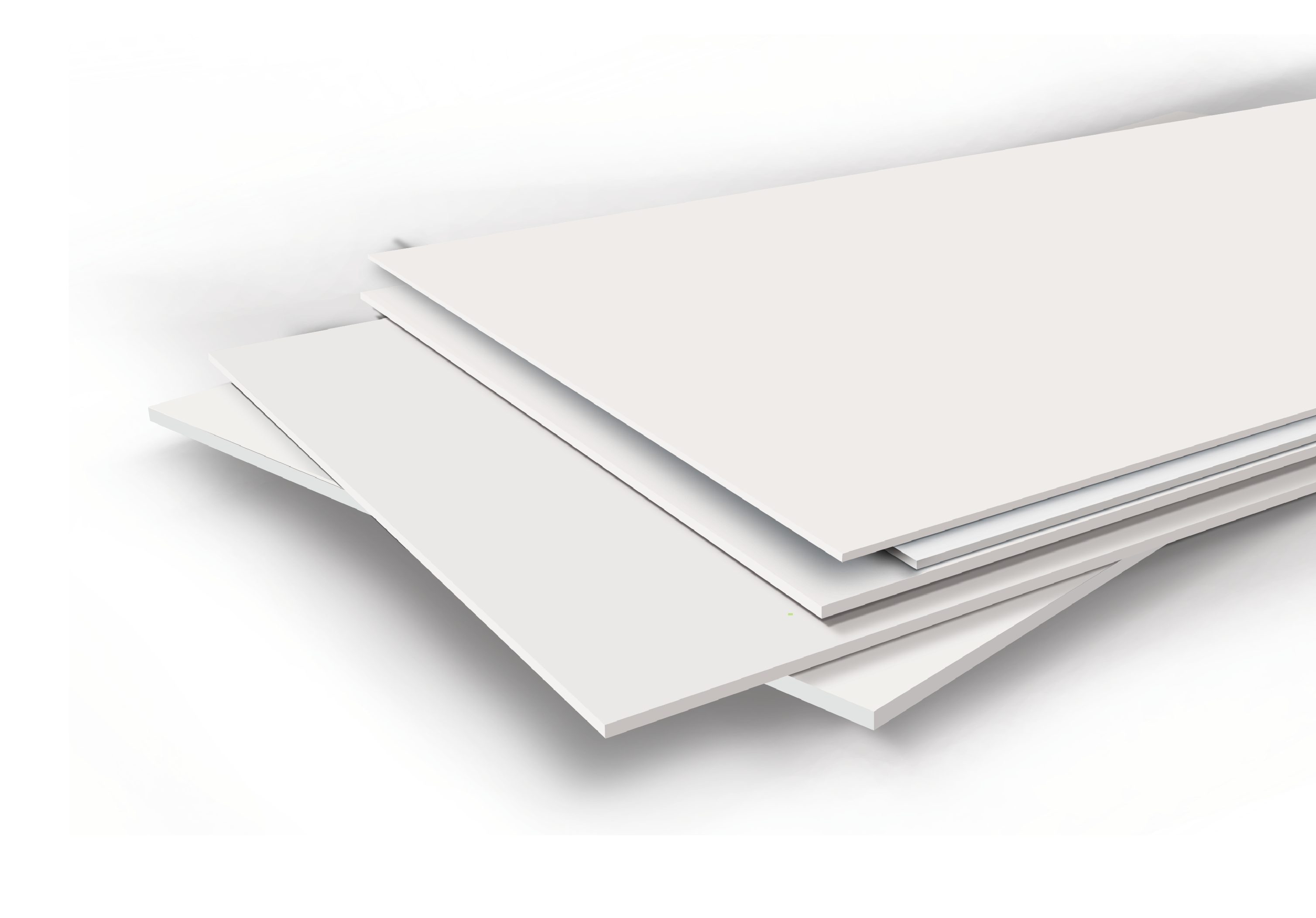
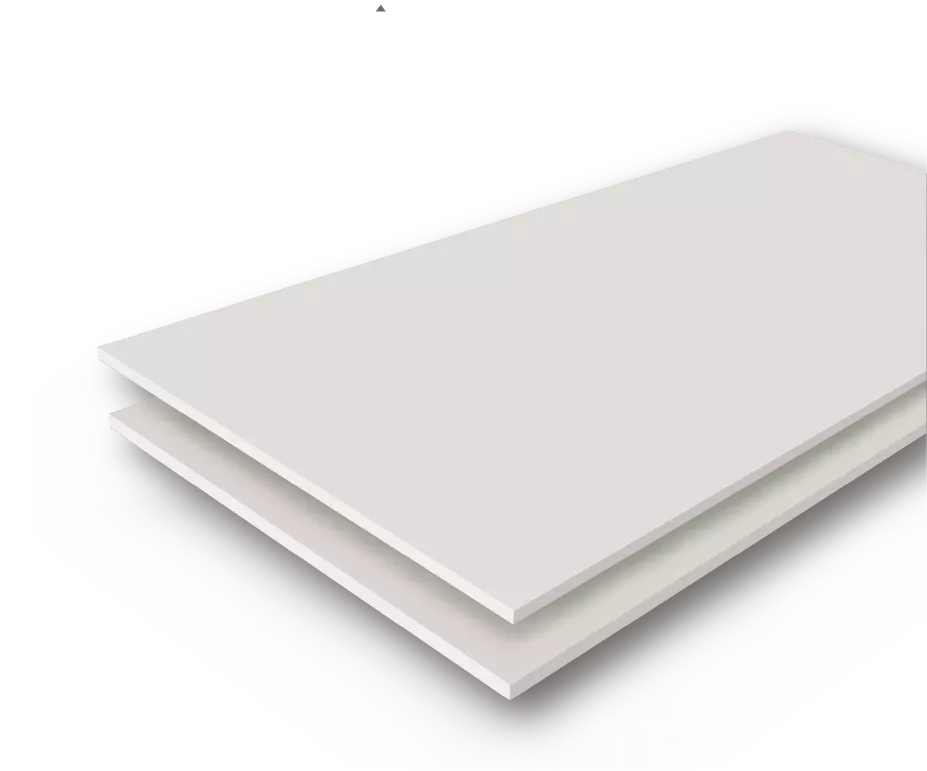
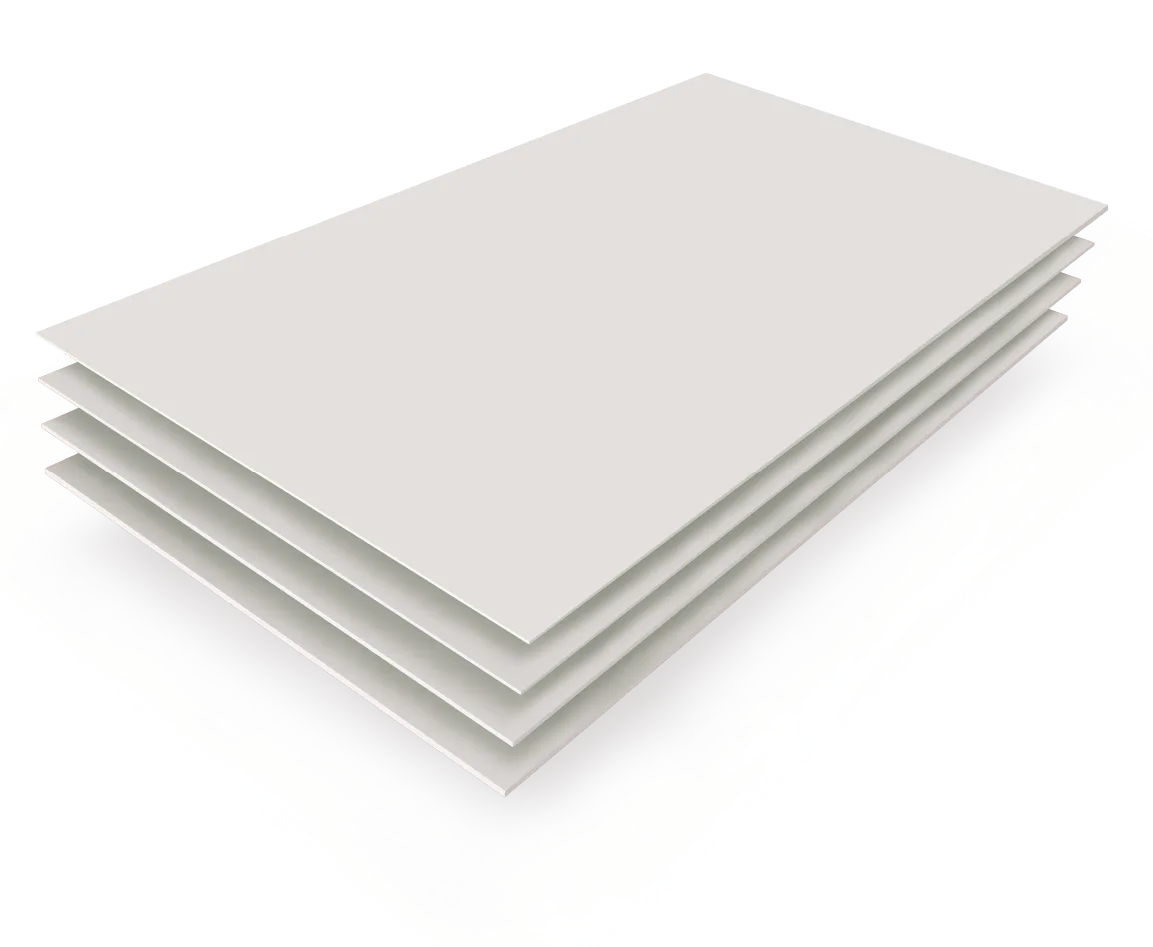
Gardflex sets the standard for every true fiber cement board: strong, stable, and built to last. Gardflex fiber cement boards are produced with Hatschek technology and cured through autoclaving, which improves dimensional stability, moisture resistance, structural integrity, durability, flexiblity, and overall cost-efficiency.

Every Gardflex board is built with quality from the inside out — from raw materials to curing process, from internal strength to smooth surface finish. No shortcuts. No cheap tricks. Just real fiber cement, made with world-class ingredients and optimized for reliable performance. Whether for ceilings or walls, Gardflex gives you the confidence to build better.

Built-In Features You Can Count On

Fire Resistant • Water & Moisture Resistant • Termite, Insect & Rot Resistant • Easy to Handle & Install • Asbestos Free • Environment Friendly • Dimensional Stability • Smooth & White Surface

HATSCHEK TECHNOLOGY

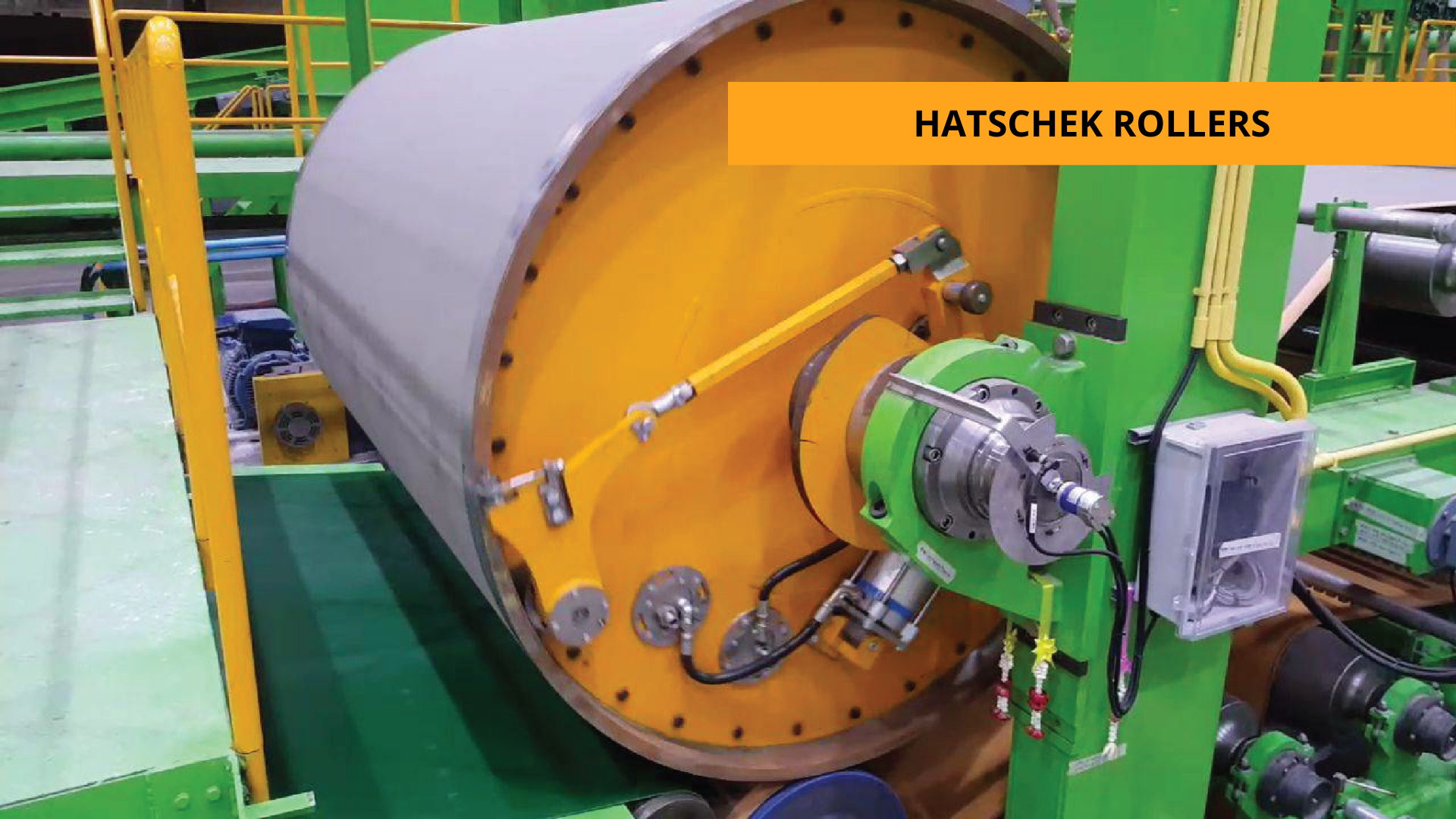
Gardflex is manufactured using Hatschek technology — the global standard in fiber cement production. Hatschek builds the board layer by layer, reinforcing each sheet with cross-directional cellulose fibers. This results in boards that are more flexible, more durable, and more resistant to internal cracking. The layered structure acts like a reinforced mat, improving both structural integrity and screw-holding power.
By comparison, Flow-on production — developed in the 1960s as a cheaper alternative to Hatschek — uses a single slurry with no layering and typically less cellulose fiber. Flow-on boards, which are being sold in the Philippine market today, lack cross-directional reinforcement and are more brittle, prone to sudden, sharp breaks — much like snapping dry cement or chalk.
How to Spot the Difference: Hatschek vs Flow-on
Break a sample to see the difference: Hatschek boards reveal a layered, fibrous structure at the break — a sign of cross-directional cellulose reinforcement. Flow-on boards tend to snap cleanly, with the break appearing chalky or powdery. This brittle, dry-cement-like fracture is a clear indicator of the lack of internal layering.

REAL FIBERS. REAL STRENGTH.

Gardflex uses real cellulose fiber — recovered from paper and lumber processing, and harvested from sustainable, plantation-grown forests. These natural fibers are refined, screened, and layered in multiple directions using the Hatschek process. As the board cures, the cellulose bonds tightly with the cement, forming a reinforced internal structure that delivers lasting strength, flexibility, and screw-holding performance.
Meanwhile, some low-cost boards replace cellulose with synthetic plastic fibers like polypropylene or polyester. These are cheaper alternatives that skip the costly pulping, cleaning, and screening needed for real cellulose — just mix with cement and pour. But plastic fibers don’t bond with cement, provide no real support, and degrade over time when exposed to heat, moisture, or UV.

REAL CEMENT. NO CHEAP FILLERS.

Gardflex is made in Thailand using high-grade cement known for its strength, purity, and durability. This premium cement forms a strong chemical bond with cellulose fibers during autoclaving, helping resist cracking and delamination. Its consistent composition and fine grinding ensure even curing, better dimensional stability, and lasting performance.
Some low-cost boards cut corners by using cheap fillers like calcium carbonate instead of real cement. But calcium carbonate isn’t a binder — it only adds bulk, not strength. It doesn’t bond with water or fibers, leading to weak internal grip, powdering, loosening screws, and long-term brittleness. It’s cheaper to produce, but costlier in the long run.
They melt at high temperatures, deform with vibration, and float during production, creating soft zones inside the board. These plastic fibers may look modern but they are simply used to cut cost, not add strength.
How to Spot Boards with High Amount of Filler:
Try the acid test: Drop a bit of vinegar or muriatic acid on a sample piece — if it bubbles or fizzes, that means it contains a lot of calcium carbonate filler. Real cement won’t react that way. More bubbles = more filler = less strength.

ENGINEERED WITH AUTOCLAVE

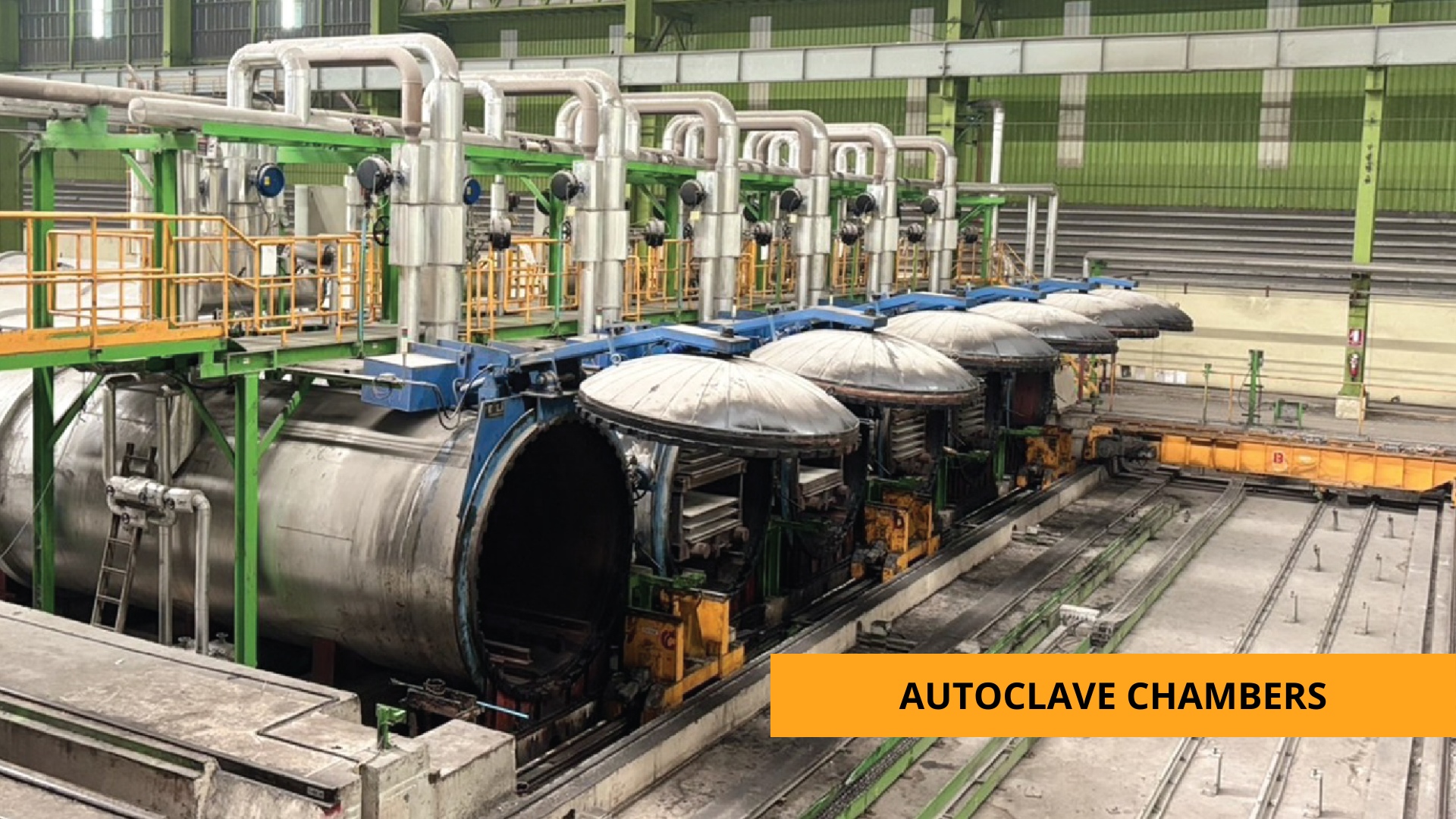
Gardflex is built differently — and built to last. Each board is cured through an advanced autoclave process, where high-pressure steam and heat penetrate deep into the core. This controlled curing not only improves dimensional stability and moisture resistance, but also results in a denser core, stronger bond between fibers and cement, and lower risk of cracks, warping, or delamination over time.
Not all boards are autoclaved. Many low-cost fiber cement boards are air-cured — left to dry in open air, some exposed to time and weather. The result? Inconsistent curing, trapped moisture, and boards prone to warping, size variation, and even unpleasant odors. They may seem like a bargain at first, but often cost more in the long run due to repairs, swelling, or premature failure.
Autoclaving shouldn’t be optional — it’s the non-negotiable minimum. Gardflex sets the standard every true fiber cement board should follow: strong, stable, and built to last.

DIMENSIONAL STABILITY

In the Philippines’ heat and humidity, many boards expand and contract — causing cracks, warping, and joint failure. Gardflex is cured in a sealed autoclave chamber with intense pressurized steam, transforming cement into tough tobermorite crystals — a stable binder that resists moisture and movement. This curing process keeps Gardflex dimensionally stable and in shape, whether it is hot, humid, or both.
Air-cured boards, on the other hand, often suffer from incomplete curing — the cement doesn’t fully hydrate, leaving free lime and unreacted material within the board. As moisture evaporates or reabsorbs, the board becomes more porous and prone to both shrinking and swelling. A standard 1220mm x 2440mm board may shrink or swell by as much as 3–5mm. While joint compound or putty may hide these shifts at first, repeated movement causes stress — eventually leading to cracks. Gardflex minimizes this stress at the source, protecting the system from within.

NO UNWANTED SMELLS

Gardflex is autoclaved — a high-heat, high-pressure process that eliminates excess moisture and fully cures all components. This prevents the development of unpleasant smells. In contrast, air-cured boards are not fully dried or cured. They may trap internal moisture and contain uncured additives, accelerants, or resins — often resulting in a strong ammonia- or urine-like odor that lingers.

OPTIMIZED FORMULA

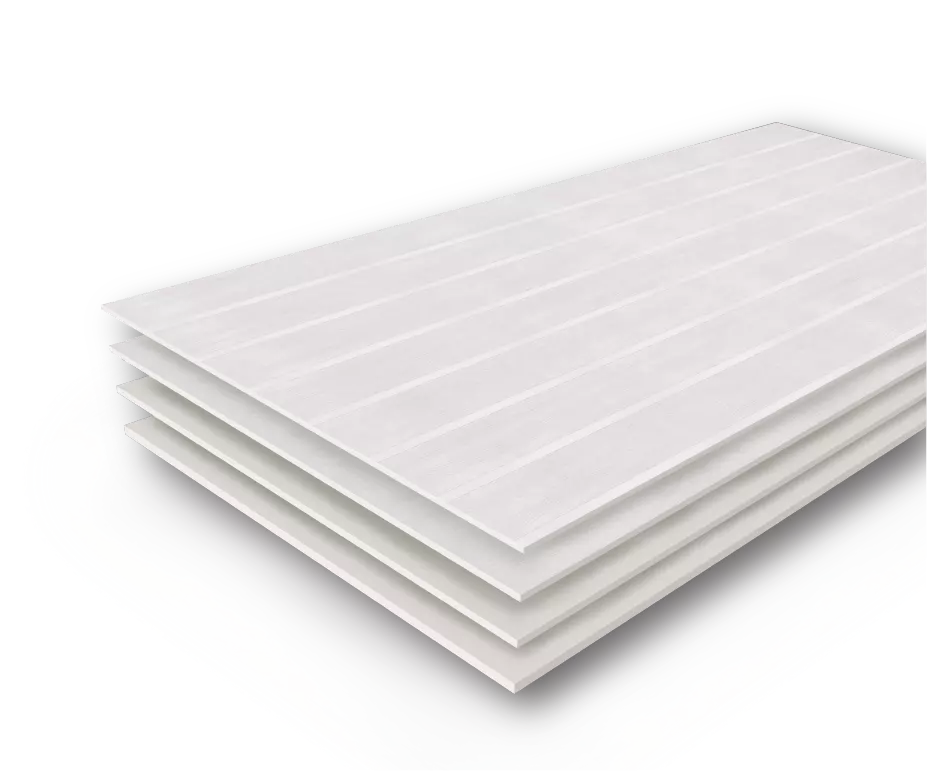
Gardflex fiber cement boards are purposefully formulated for ceiling and wall applications — optimized for lightweight strength, added flexibility, and cost-efficiency. They’re easier to handle, cut, and install, making projects faster and smoother. The refined formula also delivers a white, smooth surface that holds paint better for a cleaner, longer-lasting finish.

STORAGE AND HANDLING

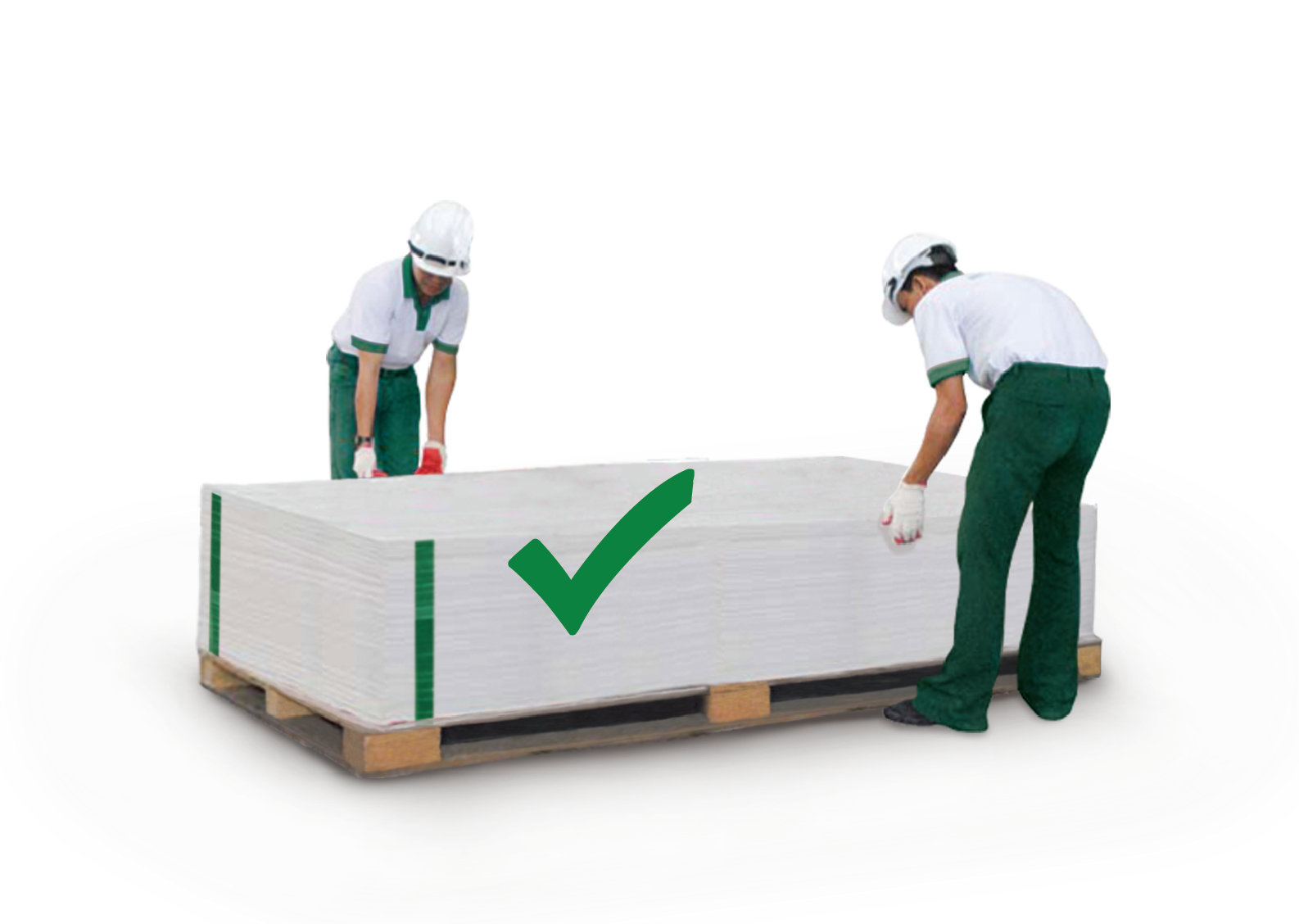
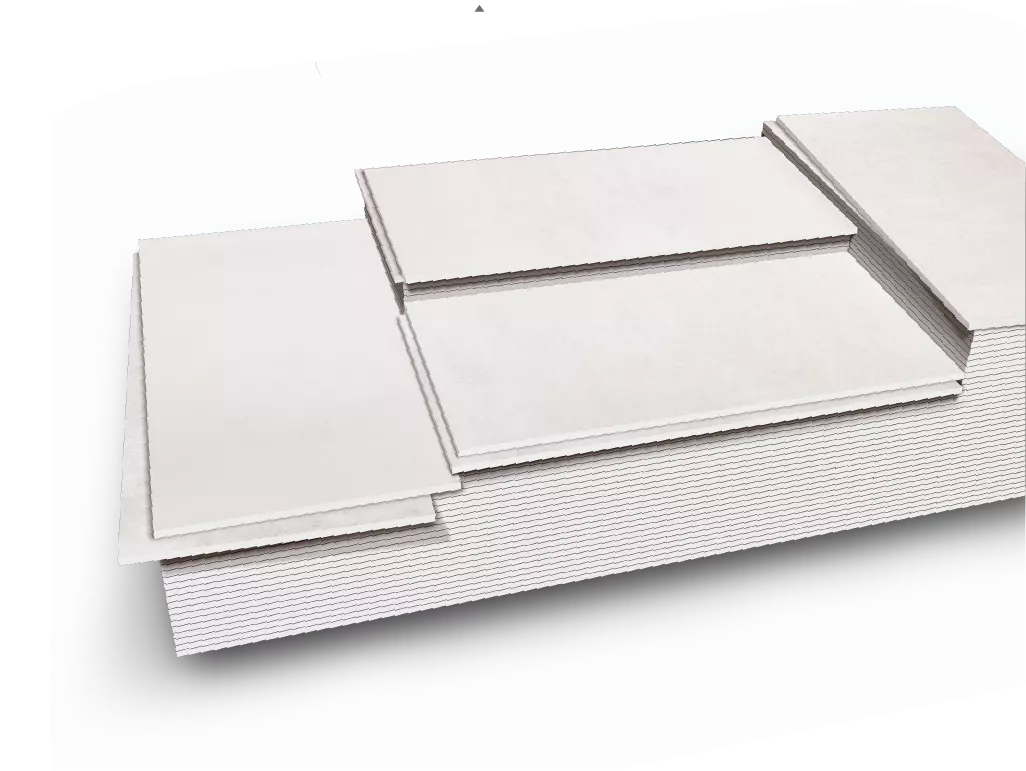
Store Gardflex boards in a dry, covered place. Place them on wooden pallets or support with 2"x3" lumber spaced at 480mm intervals. If the boards get wet, allow them to dry completely before installation or painting.

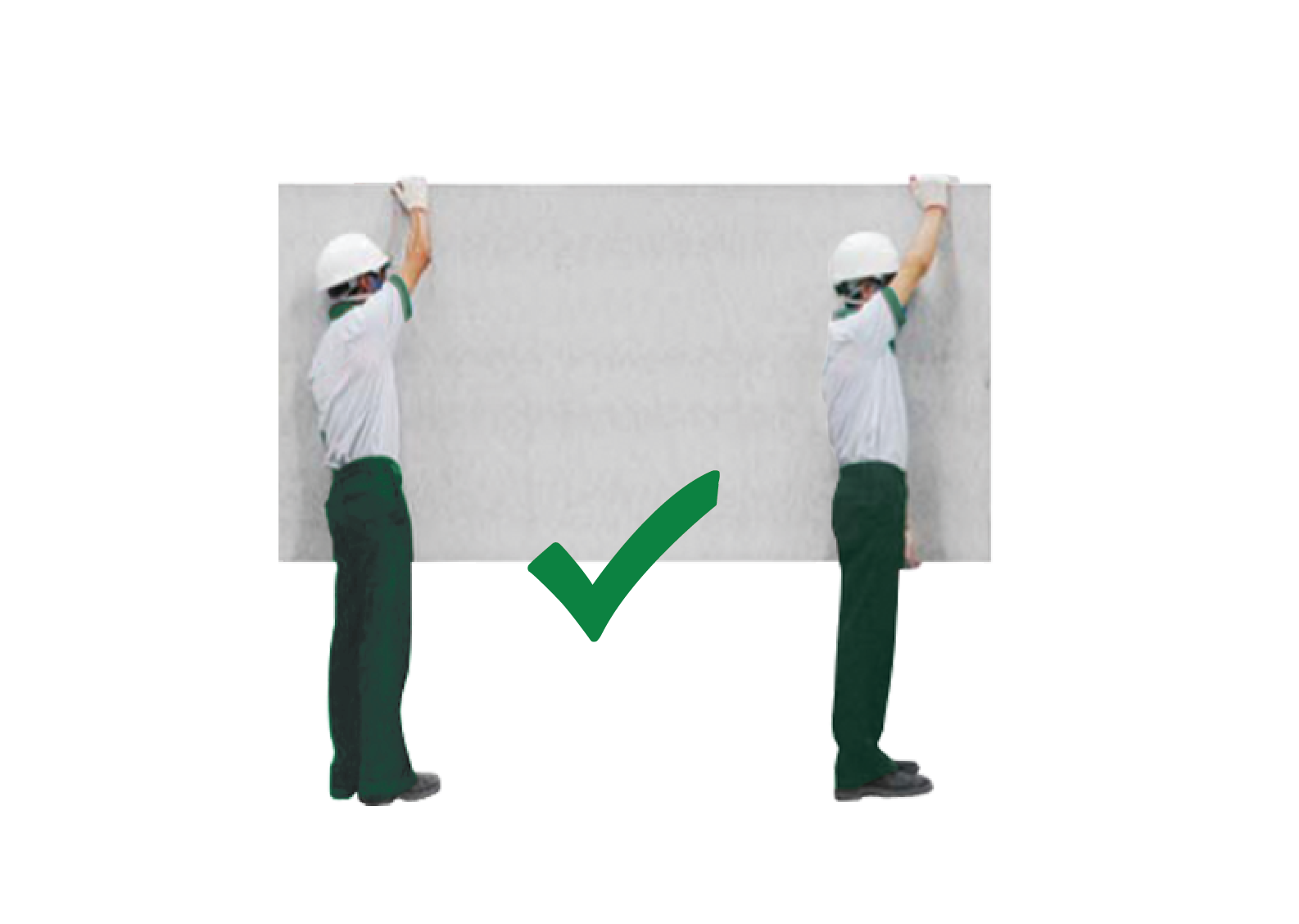
Gardflex boards are optimized for added flexibility, making them easier to handle on site. For best practice, slide each board sideways off the stack and carry it upright along both edges. Avoid dragging boards across rough surfaces to prevent edge damage.

Real Fiber
Real Cement
Real Performance

GARDFLEX PRODUCTS

clc footer logo
© Copyright 2024 Central Lumber Corporation. All Rights Reserved.